 A few years ago I went to a conference where one of the BBH founders spoke. I was not sure then whether it was B or B (i don’t think it was H.) While we are on the subject I expect that the new breed of agency that guide the enlightened brand of the future will surely be more imaginative in the names that they choose beyond a list of initials.Anyhow one of the bits advice he shared to the fledgling advertising professionals in the room that stuck in my mind was the idea that you should seek to ‘add to the intellectual capital of your company.’ The example given was a story about how some years before he had constantly re-pitched different ideas for the next level of understanding to define a product or brands ‘USP.’ It was explained that the ‘Unique Selling Point’ was old news - the stuff of the 50’s 60’s and 70’s. Already advertising was championing the value of finding the ESP of same product or brand... the emotional selling point that would communicate how it makes you feel rather than what it does. B or B spent time in his formative career thinking about what the new version of this would be to act as a short hand for the next step forward.
This stuck in my mind and every now and again I’ve wondered what my answer to this would be but have never really come to a satisfactory answer. Now I think I have it. The SESP. This would stand for the social or environmental selling point. People know what most products do and when they don’t they don’t really trust brand communications to tell them in light of access to so much impartial information. They are also less likely to buy into the emotions that are superficially attached to brands through marketing. But the social or environmental performance of a company and the products that it creates are meaningful in the modern context because they represent real differentiating value. The kind of thing that would be a big factor in like for like decisions for a large proportion of people. This would be strongest when the performance and perceived quality of the product is equated with its sustainable creation and company conduct. This could mean a fruit drink that is produced using fair trade, organic, local fruits and being all the better in taste and heathiness because of this. Products that can’t do this or where there is quality pay off will be far less likely to succeed... especially for mass audiences.
Also the idea is a broader concept. It would need to derived from a holistic perspective of the product and the company rather than a USP or an ESP which can to some extent be externally created by the ad man. The final point is that the SESP might not necessarily be something that is itself directly a social or environmental fact or benifit. It should be bigger concept or thought that is derived from these in order to make it robust but that goes further. For example it did not make sense for Prius to be sold on lower emissions. I would have made its SESP something to do with modernity and futurism in a more holistic way where environmental credentials are the substance which supports it. Innocent use what essentially adds up to niceness which is underpinned by good ingredients, good corporate behaviour, good treatment of employees. SESP’s could be a useful tool on the way to brand Brand Substance.
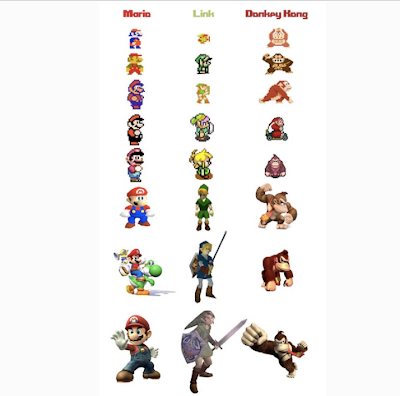
PS I liked this image much more than the boring old evolution of man drawings.